Newsletter Subscribe
Enter your email address below and subscribe to our newsletter

 ByJohn A
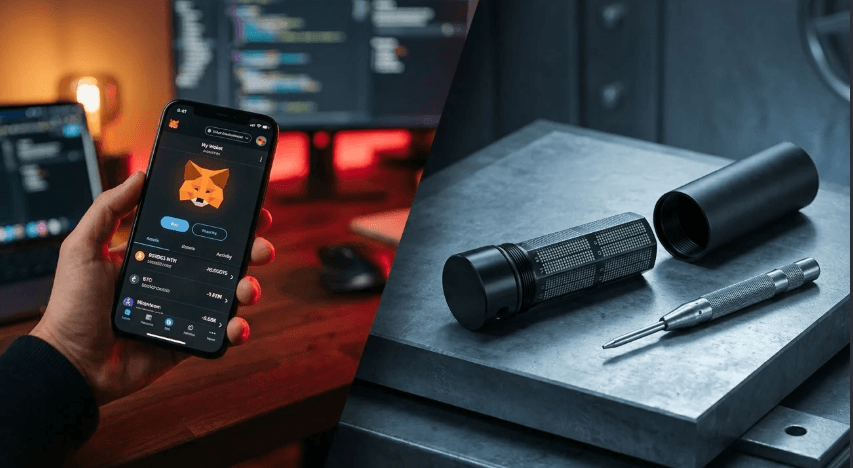
Hot wallets offer quick access for daily use, while cold wallets emphasize security for long-term holdings. The choice hinges on tradeoffs between ease of use and risk exposure. A hybrid approach can balance needs, but implementing it requires disciplined segmentation and clear recovery plans. Readers are left weighing speed against protection, and considering how to tailor custody to their holdings and activity. The decision remains nuanced, inviting a careful assessment of priorities and safeguards.
Hot wallets are software-based solutions connected to the Internet that enable immediate access to funds, while cold wallets store private keys offline to minimize online exposure; this fundamental distinction drives their respective risk profiles and use cases.
The primer explains that hot wallets offer speed and convenience with higher online risk, whereas cold wallets prioritize security, requiring offline storage and occasional online interaction.
hot wallets, cold wallets.
When selecting wallets for trading, users must balance frequency of activity, access speed, and security requirements to avoid unnecessary risk or friction.
The choice hinges on hot storage for speed, cold storage for safety, cross platform compatibility for flexibility, and multi signature for shared control.
Each solution prioritizes distinct tradeoffs, aligning with trader priorities and risk tolerance.
For everyday spending, wallets prioritize speed and convenience, favoring hot storage with rapid access and simple transaction flows; in contrast, long-term storage emphasizes security and risk reduction, typically employing cold storage with offline, offline signing, and minimal exposure.
The tradeoffs reveal a balance: hot wallets enable rapid trades, while cold wallets maximize custody and resilience for long-term holdings in a freedom-friendly framework. hot wallets, cold wallets, tradeoffs.
A practical path combines speed with security by leveraging a hybrid approach that uses hot storage for routine transactions and cold storage for long-term assets. This balanced model supports hybrid security, maintaining fluid access while reducing exposure. It emphasizes user friendly custody, enabling independent control without sacrificing safeguards. Patrons gain freedom through disciplined segmentation, clear recovery procedures, and modular risk management.
Phishing and malware can compromise hot wallets, but risk is mitigated by strong phishing defense, regular malware scans, and robust system security. The assessment emphasizes disciplined user practices and layered protection to reduce hot wallet risks while preserving freedom.
A tense hush surrounds the claim: hardware wallets mitigate many risks, yet hardware vulnerabilities and supply chain exposure persist. They reduce attack surfaces, but strict supplier vetting, firmware audits, and physical trust remain essential in safeguarding independent ownership.
Hot wallet fees vary with network congestion and exchange charges, often higher per-transaction costs; cold wallet fees are typically lower per transfer but include initial hardware or storage costs, with potential syncing or signing time considerations.
“Stated plainly, safety favors some offline holdings long-term.” The analysis notes hot wallet durability is limited by online exposure, while cold storage accessibility remains restricted but highly durable, offering safer, though less convenient, indefinite offline preservation of holdings.
In case a hardware wallet is lost, recovery relies on seed phrase security and lost device recovery processes; trusted backups allow access via another device, while safeguarding seed phrases prevents unauthorized access and preserves funds.
See also: notepadtechcom
In sum, hot and cold wallets function as a measured compass and secure vault within crypto practice. A prudent balance steers activity toward hot wallets for routine trades, while reserving cold storage for substantial holdings and long-term custody. The hybrid path, implemented with disciplined segmentation and recovery planning, minimizes exposure without sacrificing access. In this arrangement, security and convenience orbit each other, like sun and moon—distinct, indispensable, and best when used in measured, complementary cadence.